


FORM AND FUNCTION ( PART 2 )
Architecture will always create or design something that are reality, in environment or the world in many ways maybe in the way of more focus on form or the way of more focus on function. “Form” and “Function” in architecture will always be use in different ways, since long time ago. Decision of an architect is always important to have good idea for the things they have to design to bring in the feel of the building.

What is the relationship between form and function over the lifespan of an architectural work?
Form is a shape or configuration of a building. Form is the general meaning to explain the physical properties of the object and particularly are object of sight but not of intelligence. Form in architecture is the final output it can also say more than that. It is the value that output creates including the ‘negative space’ which full fills those things and giving intention of architecture to provide internal shelter space for human. Negative space is a way of describing that things that aren’t built are as important as things that are.
Function is the meaning of an object or a system that related to the environment in which it operates. Function is not only base on pratical, but it also based on aesthethic, psychological and cultural. Functionalism previously depends on humanism and it slowly turn into form follow function. But building in recent years depends on the “ Pedagonic system” which are human activities and practical resources. In other words, a building function when there is a standart arrangement of human activities, resources and furniture. Function in building is roughly equivalent to requirements or user stories in technology driven business initiatives.
How does the form and function affect by adaptive reuse

Adaptive reuse is something that are function follow form which are like given a abandon building and take over from there , start to put in the purpose to suit in it by not changing the form of the building. There is a building that suits my personal opinion, which is House in A Church, design by Ruud Visser Architect.

At first it was a wooden church in 1930 then the church was not function anymore and was used as a garage for fixing and selling cars. From there, the adaptive reuse of function follow form begin by the architect tend to design a luxurious house for the new family. The space will experience the confrontation between the sacred and everyday living and the church space is replace by the living and kitchen for it function purpose.
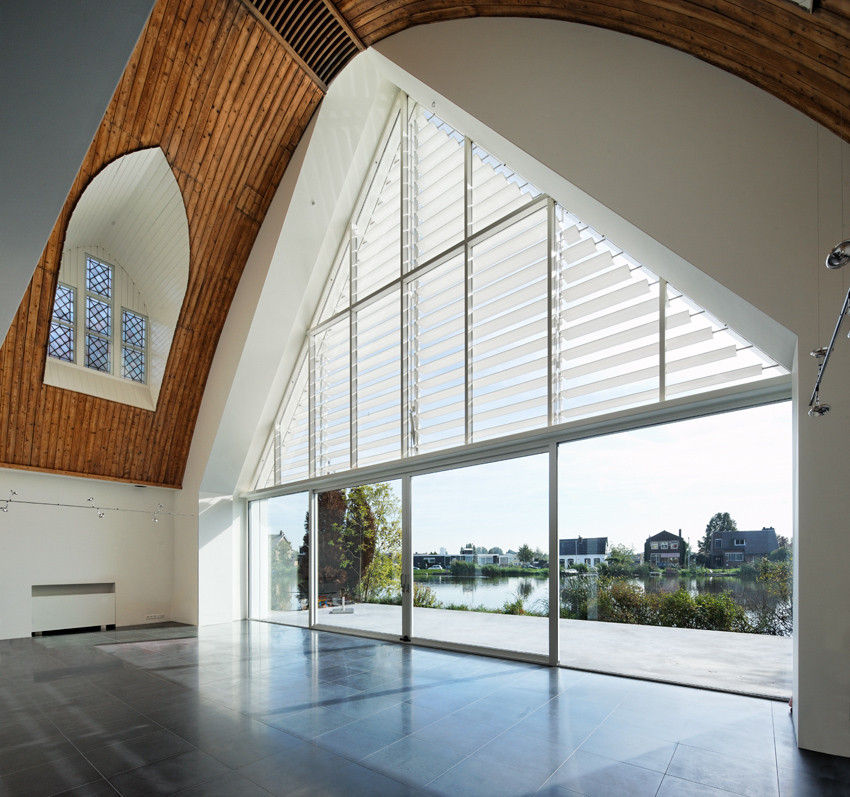
The new glass-façade opens the church to the river and gives a magnificent view off the landscape which the transept now functions as a buffer between the outside and the private house.” Principle of plasticity working as continuity “ say by Frank L.Wright.
Other than adaptive reuse, renovation is also a thing to look at which renovate is to add in new function at that space or maybe for beautiful purpose but function is still the same.
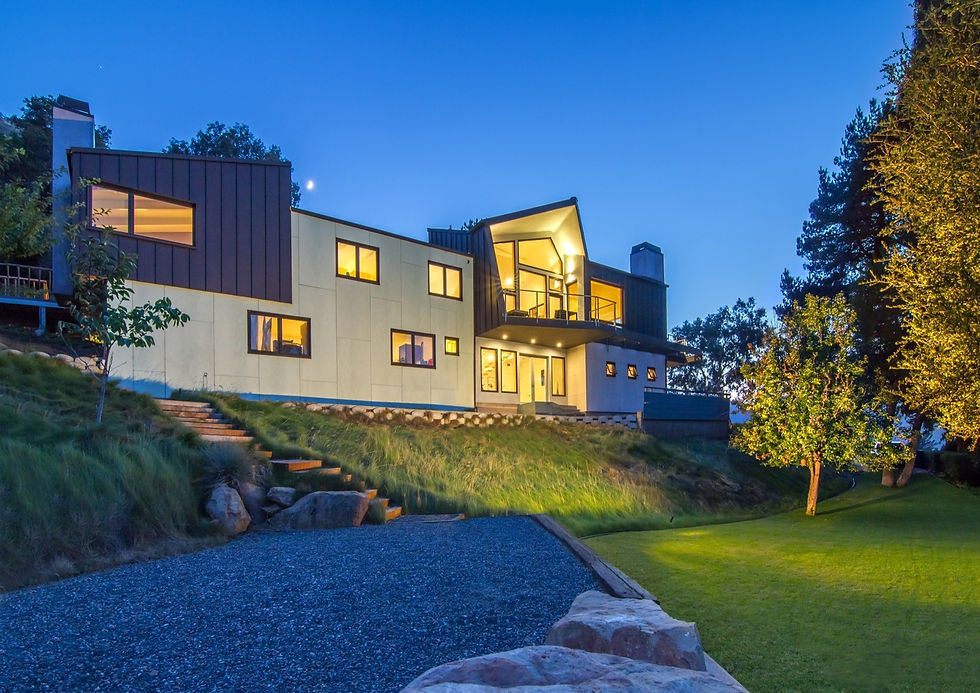
The building that suit my personal opinion is the Gold Hall Residence designed by Stephen Philips Architect. Renovate to become some others usage in the particular spaces and also add extra walking way to enter to a entrances.
On the interior spaces, the kitchen was completely renovated opening up towards

the family room, dining room, and entry hall. The baths, bedrooms, and living spaces were all reconstructed with new carpeting, tile, fixtures, and paint. The new entry creates a dynamic yet relaxing contemporary space that reconfigures an otherwise rambling wooden shack with unclear floor plan .


Comments